Product range · Jib cranes
Articulating Jib Cranes and Workstation Lifting Solutions
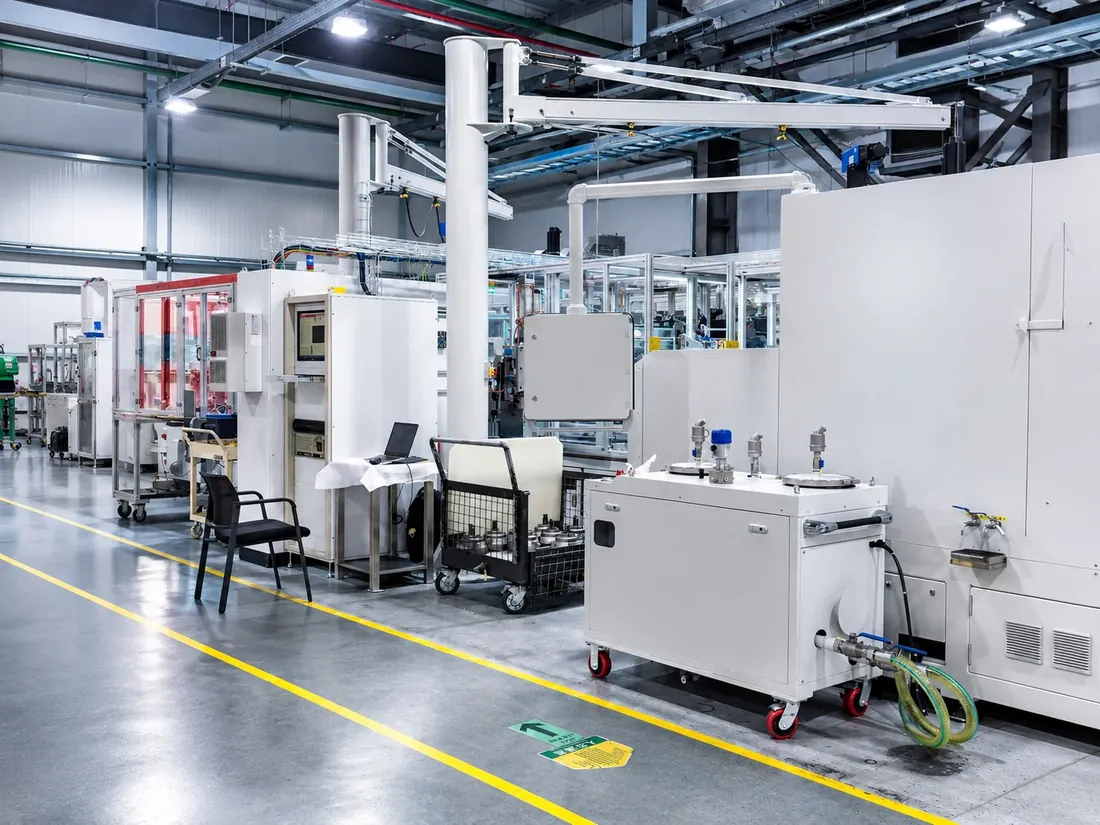
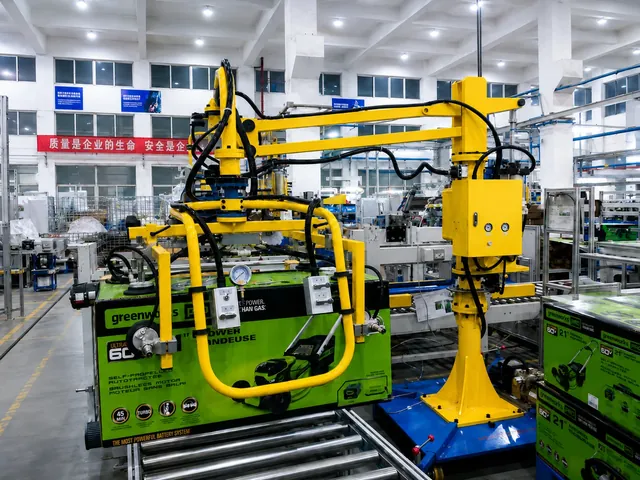
A jib crane works with a hoist or lifting device to raise, lower and transfer workpieces over short distances within a fixed area. Column-mounted, wall-mounted and articulating structures are available.
 Jib cranes
Product overview
The jib covers a fixed working area. An electric hoist, pneumatic hoist or intelligent lifting device raises and lowers the workpiece, while the operator guides the lifting point between pick-and-place positions.
Column-mounted, wall-mounted, articulating and rail-combination structures are available. Load capacity, span and slewing range are selected for the workstation layout, with lifting accessories or dedicated tooling at the end.
Configuration and specifications
| Structural arrangements | Column-mounted, wall-mounted, articulating and rail-combination arrangements available |
|---|---|
| Equipment combinations | Compatible with electric hoists, pneumatic hoists or intelligent lifting devices; optional vacuum lifting attachments and custom tooling |
| Applications | Workstation lifting, machine loading and unloading, maintenance assistance and short-distance transfer |
| Design inputs | Load, working span, slewing range, mounting structure and pick-and-place positions |
Applications suited to jib cranes
- Relatively fixed pick-and-place positions, primarily involving vertical lifting and horizontal transfer within the working area.
- Machine loading and unloading, maintenance and assembly workstations where lifting, transfer and placement are the main motions.
- Sites with suitable load-bearing conditions in the floor, wall, column or overhead structure for the corresponding crane arrangement.
How jib cranes differ from pneumatic industrial manipulators
- Jib cranes mainly raise, lower and transfer a lifting point horizontally, making them suitable for lifting workpieces within a fixed area.
- With a pneumatic industrial manipulator, the operator directly guides the end tooling. This suits frequent pick-and-place, assembly alignment and orientation changes.
- A jib crane can be paired with dedicated tooling and suitable lifting equipment when the workpiece orientation or pickup method needs to change.
Frequently asked questions
What workstations suit an articulating jib crane?
It suits workstations where the lifting point must move around equipment and connect multiple pick-and-place positions. The articulated joints adjust the lifting-point position, and the span and slewing range can be configured for the workstation space.
Can a jib crane use vacuum cups?
It can use a vacuum lifting attachment and suitable lifting equipment. Lifting and transfer begin after a stable vacuum grip is established; release follows placement and support of the workpiece. Cup layout and the vacuum source are selected for the load and surface condition.
How do I choose between a jib crane and a pneumatic industrial manipulator?
A jib crane can suit workstations focused on lifting and short-distance transfer. A pneumatic industrial manipulator with suitable end tooling can be selected for frequent alignment, turning and assembly assistance.
Other products
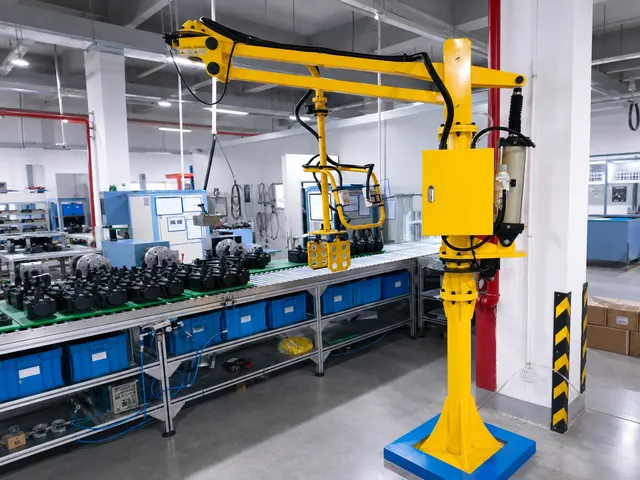 Pneumatic Industrial ManipulatorsARK Series Pneumatic Industrial ManipulatorsA pneumatic industrial manipulator assists with supporting the workpiece weight and works with suitable tooling for pick-and-place, lifting and transfer. Turning mechanisms and several mounting arrangements are available.
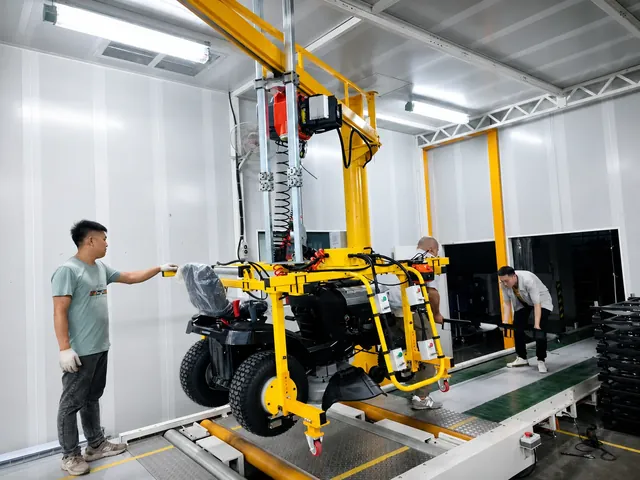 Custom toolingCustom Handling ToolingEnd tooling is designed around the workpiece shape, load-bearing areas and handling motions. Vacuum gripping, jaws, internal-expansion gripping, external clamping and turning structures are available.
 Vacuum handlingVacuum Lifters and Vacuum HandlingVacuum tooling picks and places cartons, panels and sheet-metal parts with suitable gripping surfaces. It can be paired with a pneumatic industrial manipulator or lifting equipment for transfer.
Submit your requirements, get a technical proposal
Share the workpiece name, weight per workpiece, dimensions and pick-and-place motions, and an engineer will recommend a manipulator arrangement, working range and end tooling. Drawings and site photographs can be sent by email or WeChat.