- Include suction cups, hoses, fittings, seals and contact pads in daily inspections, focusing on aging, wear and leakage.
- Deteriorating wear parts can cause weak vacuum holding, unstable gripping and slower cycles, or, in severe cases, slipping, impacts and scratches.
- Set replacement intervals according to usage, environment and workpiece characteristics. Inspect regularly, replace according to condition and address defects immediately.
- Create a wear-parts list and maintain suitable stock for each tooling ID. Record specifications and replacement reasons to support repairs and future selection.
Handling, turning, positioning and clamping depend on the structure and actuators as well as contact-part and pneumatic-seal condition. Deteriorating wear parts can cause poor vacuum holding, unstable gripping and slower cycles. Severe cases can lead to slipping, impacts and scratches, endangering personnel and equipment. Maintenance must cover these consumables and use operating behavior to determine replacement needs.
01How tooling wear parts affect handling safety
Vacuum gripping, pneumatic clamping, mechanical support, foam gripping, internal expansion and external clamping each have distinct retention conditions. Inspect the relevant vacuum holding force, clamping force, friction and sealing according to the gripping principle.
Wear-part failure directly affects motion and retention. Hardened cups conform poorly and reduce vacuum; hose leaks destabilize pressure and slow motion; worn seals reduce cylinder thrust; and smooth, worn jaw pads can allow workpieces to slip. Inspect these areas regularly and correct abnormalities promptly, rather than waiting for a dropped part or production stop.
02Common wear parts and replacement criteria
1. Vacuum cups
Vacuum cups used on sheets, glass, metal, plastic and cartons are exposed to repeated compression and tension, oil and temperature changes. Check lip cracks, curling or missing sections, surface hardening and reduced resilience. Also consider replacement if vacuum build-up on the same workpiece takes significantly longer, gauge readings fall, or slipping or swinging occurs during handling. Shorten inspection intervals for rough surfaces, oily conditions and frequent handling.
2. Foam grippers
Foam grippers may suit uneven, slightly rough, more permeable or dimensionally variable workpieces. Check for blocked pores, wear, tearing, collapse and poor recovery caused by dust, debris, oil and compression fatigue, and listen for significant leakage after gripping. Replace promptly if cleaning does not restore holding performance.
3. Air hoses
Inspect compressed-air and vacuum hoses for hardening, kinks or flattening, abrasion, fitting leaks, and heat-related softening or cracking. Locate leaks by sound and soap bubbles at fittings and bends. Route hoses away from prolonged pinching, dragging, heat and sharp-edge abrasion. Replace immediately if cracks, bulges, pronounced creases, worn-through areas or hardening appear. Wrapping with tape is not a suitable long-term repair.
4. Push-in fittings
Repeated connection cycles, vibration or pulling can loosen push-in fittings, cause leakage or defeat their locking mechanism. Inspect the tube entry, threaded connection and internal seal separately. Confirm that the tube is fully inserted, its end is square, the fitting is tight and the thread seal is effective. A fitting that still leaks after hose replacement should generally be replaced as well.
5. Seals
O-rings, gaskets and seals in cylinders, vacuum generators, valve assemblies and cup mounts affect vacuum, pressure and output force. Check for hardening, compression set, cracks, swelling and damage, together with weak movement, shorter pressure-retention time, reduced vacuum and leakage around valve bodies. Replacements must match material, specification, temperature resistance and oil resistance; similar dimensions alone are insufficient.
6. Jaw pads, polyurethane pads and rubber pads
Jaw pads, polyurethane pads and rubber pads increase friction, protect surfaces and cushion clamping. Smooth wear, cracks, debonding, hardening or embedded metal chips create slipping and scratching risks. Pay particular attention to contact surfaces on pads used for coated parts, aluminum profiles, stainless-steel parts and appearance-critical components.
7. Springs, pins, bushings, stops and other mechanical wear parts
Inspect mechanical wear parts in relation to motion: spring fatigue can prevent full return; pin or bushing wear increases clearance and tooling movement; worn stops affect repeatability; and damaged buffers increase impact. Look for unusual noise, looseness, slow return and positioning errors, then inspect the related springs, pins, bushings, stops, buffers and locating blocks.
03Wear-part inspection and replacement guide
| Wear part | Common defects | Inspection method | Replacement guidance |
|---|---|---|---|
| Vacuum cup | Aging, hardening, cracking, decreased vacuum holding capacity | Inspect the lip, press to check resilience and read the vacuum gauge | Replace if cracked, deformed or unable to hold reliably |
| Foam gripper | Clogging, wear, insufficient rebound, loose sealing | Inspect pores, listen for leaks and measure vacuum build-up time | Replace when cleaning is ineffective or collapse is obvious |
| Air hose | Aging, bending, wear and tear, air leakage | Listen for air leaks and check for bends and wear spots | Replace the entire section when cracked, hardened or worn out |
| Push-in fitting | Looseness, air leakage, damaged sealing ring | Check insertion depth, leak detection with soapy water | Replace if leakage continues with the hose fully inserted |
| O-ring/gasket | Hardening, compression set, damage and swelling | Disassemble and inspect the sealing surface and observe for indentations and cracks. | When repairing the cylinder, valve body and suction cup seat, replace them simultaneously |
| Cylinder seal | Internal leakage, weak motion and stick-slip | Observe motion speed, thrust and exhaust | Replace the sealing component when it becomes weak or leaks internally. |
| Jaw pad / rubber pad | Wear, debonding, hardening and embedded debris | Check contact surfaces and workpiece clamp marks | Replace when worn, cracked or seriously contaminated |
| Spring | Fatigue, fracture and incomplete return | Check free length and return action | Replace if return is slow or spring force is insufficient |
| Pin / Bushing | Wear, gap increase, abnormal noise | Move the mechanism to check play and wear marks | Replace when the gap is obvious or there is abnormal noise. |
| Stop / buffer | Wear, deformation, cracking | Check the limit surface and impact marks | Replace when positioning deviation or buffer failure |
04Setting replacement intervals for operating conditions
Set replacement intervals from actual usage, environment and workpiece characteristics, adjusting them for observed wear, sealing and motion condition. Inspection priorities for different operating conditions follow.
- Frequent handling: inspect cups, hoses, fittings and jaw pads more often, for example by shift or weekly.
- Dusty conditions: foam grippers, vacuum filters and fitting seals are more prone to blockage and wear. Monitor vacuum build-up time and vacuum level.
- Hot conditions: hoses, cups and seals may soften, harden or crack. Verify material temperature ratings.
- Oily environment: Ordinary rubber parts may swell, slip or lose elasticity. Oil-resistant materials should be selected and the replacement cycle should be shortened.
- Rough workpieces: cup lips, foam layers and jaw pads wear faster. Base replacement on their actual condition as well as elapsed time.
05Symptoms that call for tooling maintenance
- Slow vacuum build-up: check for aged cups, blocked foam grippers or filters, and leaking hoses.
- Workpiece slipping or swinging: check vacuum holding force, jaw-pad wear, clamping force and mechanical clearance.
- Insufficient clamping force: It may be related to insufficient air pressure, internal leakage of the cylinder seal, abnormal pressure regulating valve, air leakage in the air hoses or wear of the clamping mechanism.
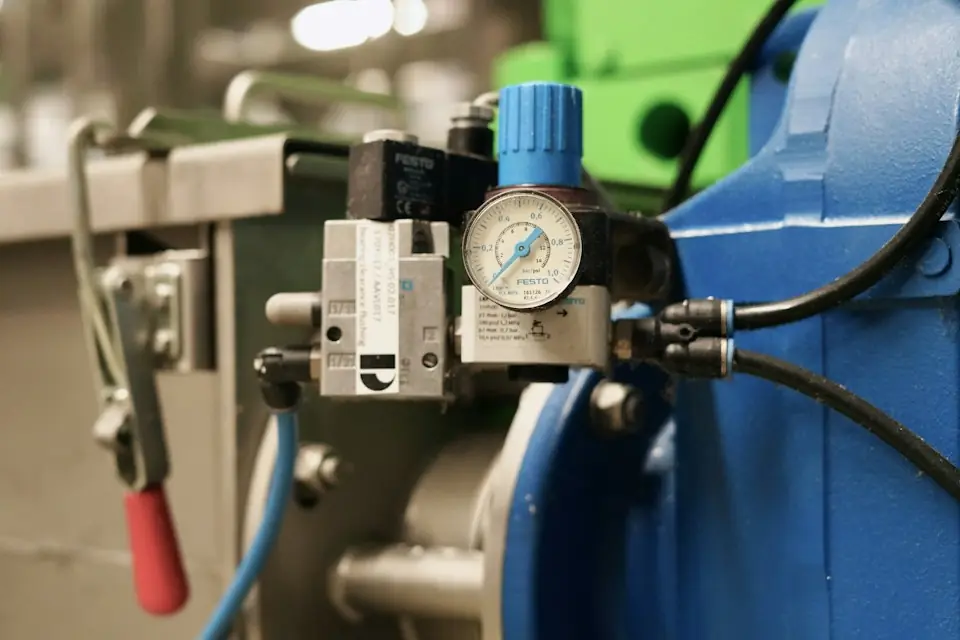
- Air pressure or vacuum fluctuates significantly: Push-in fittings, pneumatic tubing, valve blocks, vacuum generators and seals should be inspected.
- Increased operating effort: check the balancing system and inspect tooling shafts, pins, bushings and stops for wear or insufficient lubrication.
- Slower cycles or incomplete release: check for blocked circuits, sluggish valves, cup adhesion, kinked hoses or blocked silencers.
06Spare-parts management
Stock appropriate quantities of common wear parts for each tooling configuration. Prioritize vacuum cups, foam pads, hoses, push-in fittings, O-rings, gaskets, rubber jaw pads, polyurethane pads, springs, pins, bushings and stops.
Spare-parts management covers lists, stock and replacement records. Register specifications, materials, brands or drawing numbers by tooling ID and distinguish standard from custom parts. Stock custom cup mounts, special pads and irregular seals in advance. Increase stock where standard parts are shared by several tools, and maintain safety stock for custom parts with long lead times even if failures are infrequent. Record each replacement date and cause to identify recurring wear and mismatches in selection or operating conditions.