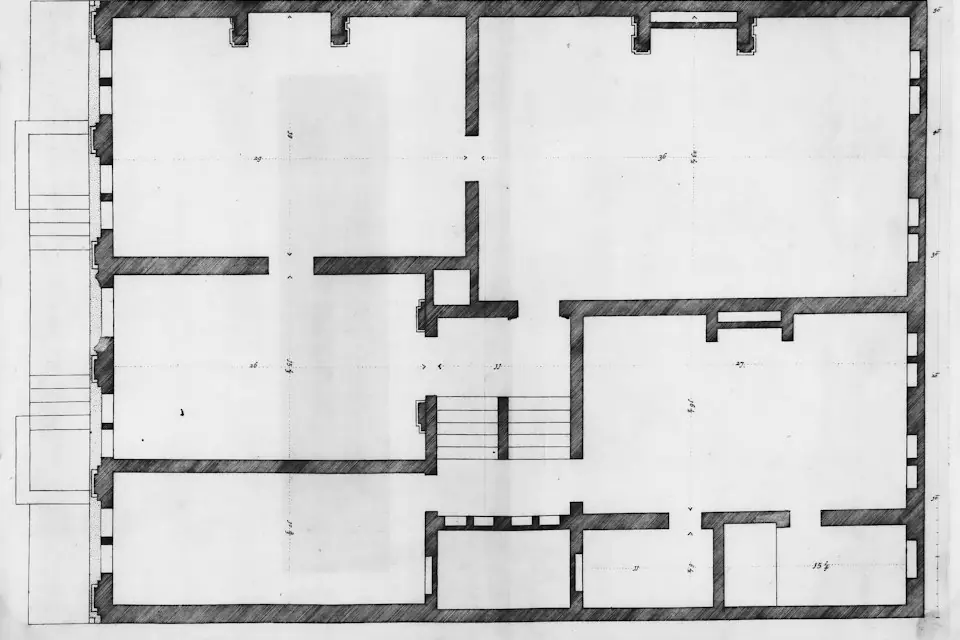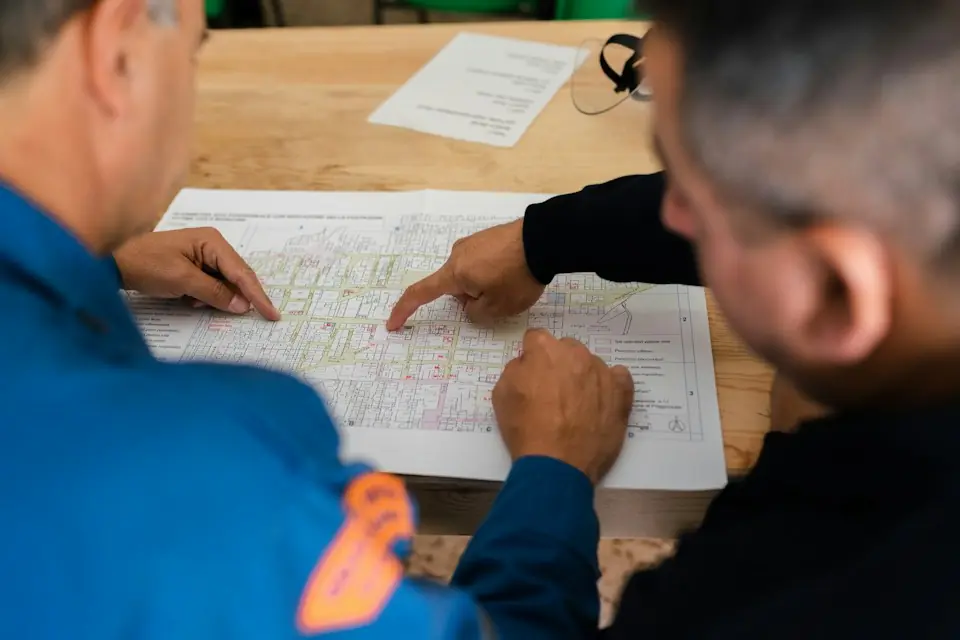
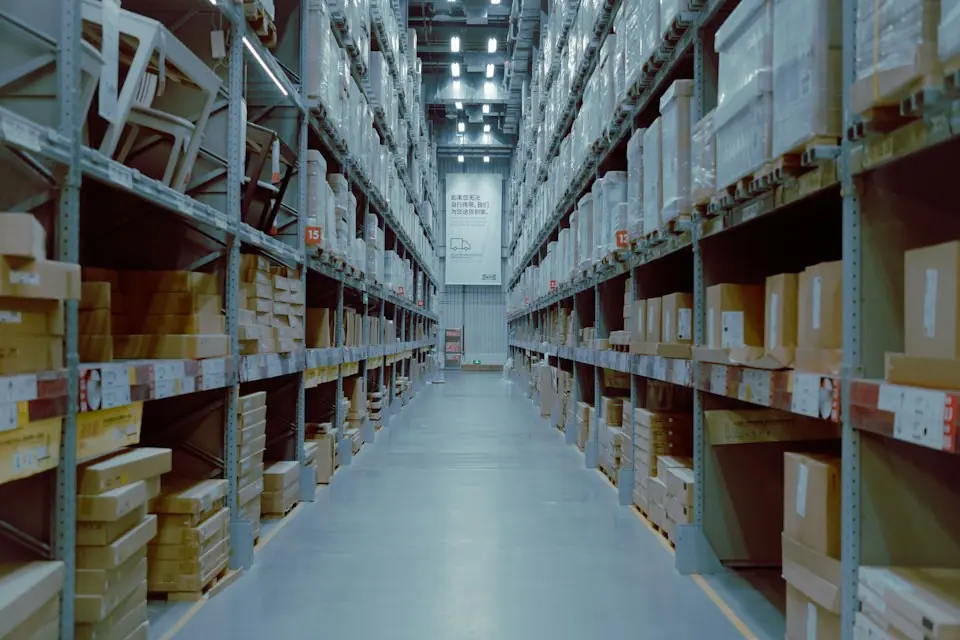
- Space assessment must cover equipment, personnel, workpieces and access routes, checking both the fixed footprint and the operating and parked envelopes.
- Common options include column-mounted, overhead-mounted, rail-mounted and relocatable systems, each with different space and support requirements.
- Coordinate working radius, lifting stroke, tooling parking and safety access routes to leave room for the complete handling motion.
- Suitability needs to be determined after evaluating the site dimensions, workpiece movement and installation conditions.
For workstations with dense equipment, narrow aisles or a fixed line layout, choose the installation type from site dimensions and the full handling sequence. Distinguish floor occupation, overhead clearance and dynamic interference first, then compare available fixing points, support structures and travel paths.
01Four space conditions to check
When measuring the workstation, relate static dimensions to actual movements and focus on the following:
- Workpiece movements: define loading/unloading, turning, translation and transfer between machines. Their sequence determines reach, stroke and orientation requirements.
- Surrounding equipment: record enclosures, door movements, maintenance access, fixture tables and pallets. Relocate mounting points if the motion envelope conflicts with doors, conveyors, columns or guards.
- Operator space: preserve normal working positions. Avoid layouts that force sideways operation, unnecessary detours or stepping over service lines.
- Access routes: keep main aisles, emergency routes and material-flow paths clear, including when the arm is parked, tooling is stored or the workpiece turns.
02Installation options
Column-mounted
Column-mounted equipment suits locations with floor space beside the workstation and a foundation that permits secure fixing. It can serve single-station machine loading, assembly or palletizing. Position the column for maintenance and operation, clear of pedestrian, forklift, AGV and material-cart routes.
Overhead-mounted
Overhead mounting uses overhead steelwork, a gantry or a dedicated frame and can reduce the floor space occupied by a column. Check overhead load capacity, mounting height, effective lifting stroke and maintenance space; insufficient floor space alone is not enough to determine suitability.
Rail-mounted
Rail-mounted equipment suits linear or area handling between multiple stations. Check coverage and the cycle time for shared use, and assess how beams, columns, lighting, ducts, cable trays and sprinkler piping affect the rails and operating path.
Relocatable
Relocatable equipment can serve adjacent stations or changing layouts. Check floor level, travel route, positioning and operating stability. Move it without a load, then secure the base at the workstation as specified before loaded operation.
03Check space against the complete operating sequence
After selecting the installation type, check the following along the pickup, transfer, placement and parking paths:
- Working radius: cover pickup, process and placement points, including intermediate orientation changes, without unnecessary extra reach.
- Lifting stroke: allow clearance from fixtures, across work surfaces and into machines, accounting for tooling height, suspension location and operator visibility. Where headroom is restricted, assess overhead or other low-headroom configurations.
- Tooling storage: keep aisles, doors and operator positions clear while maintaining convenient access.
- Utilities and protective functions: check air supply, electrical connections, buttons, travel limits, drop prevention and protection against incorrect operation. Pressure, service routing and controls affect usability.
04Installation comparison
| Option | Suitable Applications | Advantages | Precautions |
|---|---|---|---|
| Column-mounted manipulator | Single workstation with an available floor mounting position | Simple structure, easy maintenance and clear positioning | Preserve access routes and operator positions |
| Overhead-mounted manipulator | Limited floor space with suitable overhead supports | Reduces floor and aisle occupation | Verify overhead capacity, mounting height and maintenance access |
| Rail-mounted handling system | Transfer between multiple workstations or machines | Large coverage area, suitable for production line handling | Check beams, columns, cable trays, ducts and lighting |
| Relocatable manipulator | Shared use at adjacent stations requiring position changes | High flexibility and can serve multiple locations | Check travel routes, setup stability and floor conditions |