
Application cases · Motor stator handling
Mobile Motor Stator Handling Across Multiple Workstations
A mobile-base pneumatic industrial manipulator with custom internal-expansion tooling assists with stator gripping, lifting and placement at defined positions. The equipment changes operating locations while unloaded, allowing several assembly stations to share it at different times.
- Equipment arrangement
- Mobile-base pneumatic industrial manipulator
- Tooling
- Custom internal-expansion tooling
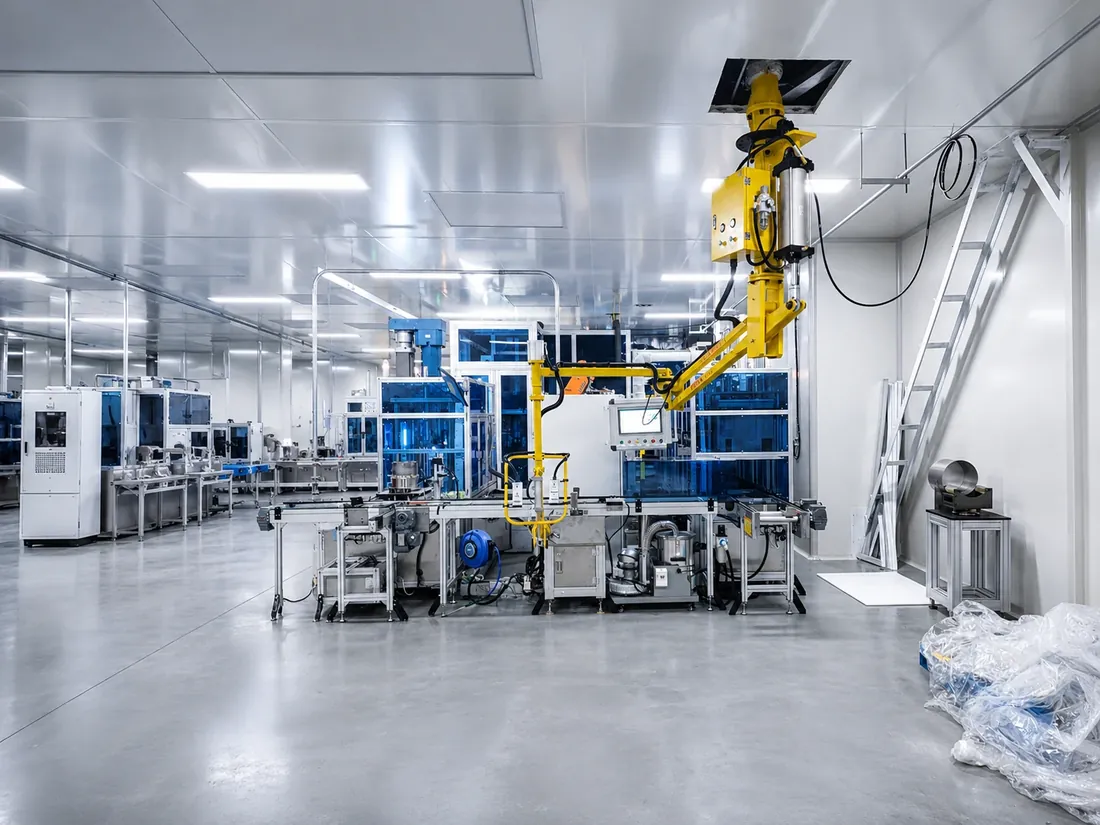 Motor stator handling
Application overview
When several assembly stations operate at different times, handling equipment also needs to move with the task. A mobile-base pneumatic industrial manipulator with a custom base and internal-expansion tooling moves unloaded to the target station and operates after the base is positioned. The tooling grips through the stator bore, the manipulator assists with lifting and transfer within the workstation, and the operator guides placement at the defined position, reducing repeated manual carrying.
System configuration
| Workpiece | Motor stators |
|---|---|
| Equipment arrangement | Mobile-base pneumatic industrial manipulator |
| Tooling | Custom internal-expansion tooling |
| Main motions | Internal-expansion gripping, lifting, transfer within the workstation, positioning and placement |
| Operation | Operation after the mobile base is positioned; unloaded repositioning |
| Workstations | Motor assembly, inspection, and machining loading and unloading |
Configuration features
- The mobile manipulator and custom base change positions between workstations while unloaded, allowing several assembly stations to share one system at different times.
- The custom internal-expansion tooling matches the stator bore and permitted load-bearing areas, maintaining the grip during lifting and position adjustments within the workstation.
- After the base is positioned, the manipulator assists with handling while the operator aligns the stator with the target fixture, reducing repetitive carrying and prolonged manual support.
Operating sequence
- Move the unloaded equipment to the target station, position the base and engage its brake or supports, then align the internal-expansion tooling with the stator bore.
- Insert the tooling into the permitted bore gripping area and expand it to clamp. Confirm the grip before assisting with stator lifting.
- Keep the base in position and transfer the stator within the workstation using the manipulator, gradually adjusting its position relative to the target fixture.
- Lower the stator slowly. Release and withdraw the tooling after support is established. Finish the handling cycle before moving the unloaded equipment to another station.
Selection and configuration
- For stators whose bores are unsuitable for internal-expansion gripping, custom jaws can grip permitted external load-bearing locations.
- Adjustable or quick-change tooling can be selected for alternating models, matching each bore size and permitted gripping area.
- When the workstation is fixed and floor space is limited, an overhead-mounted manipulator can cover the relatively fixed pick-and-place area from above.
Frequently asked questions
Does the mobile base move together with the stator during handling?
The equipment operates after the mobile base is positioned, and the manipulator handles the stator within the workstation. When changing workstations, first place the workpiece down and unload the equipment, then move the base.
Does changing the stator model require different tooling?
This depends on the bore size and permitted gripping areas. Adjustable tooling covers its designed adjustment range. If the new size exceeds that range or the load-bearing positions change, dedicated tooling for the corresponding size can be selected.
More cases
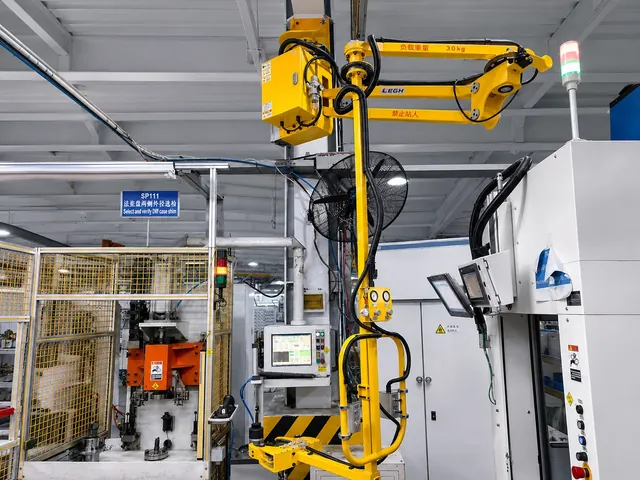 Motor stator handlingMotor Stator Handling and Transfer Between WorkstationsAn overhead-mounted pneumatic industrial manipulator with internal-expansion tooling picks stators through their bore and assists with lifting, horizontal movement and assembly positioning. It reduces repetitive manual support while leaving floor space available at fixed workstations.
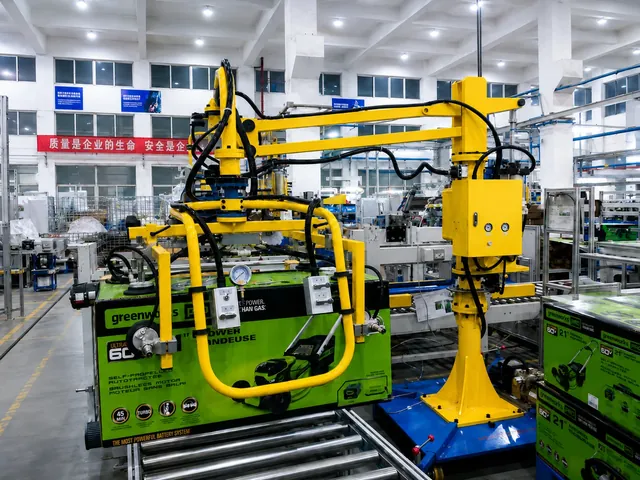 Carton vacuum handlingCarton Vacuum Handling ApplicationA mobile-base pneumatic industrial manipulator with vacuum tooling picks up, lifts, transfers and places cartons, reducing repetitive manual carrying at packaging lines and box-transfer stations. The equipment can be positioned for the operating location.
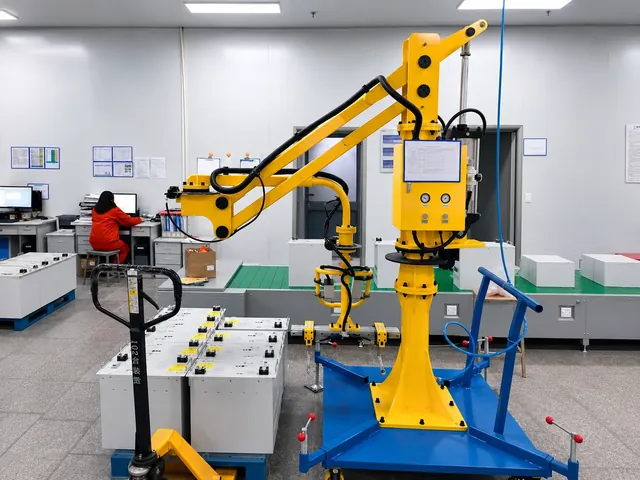 Power supply packing and handlingPower Supply Packing and Handling ApplicationA mobile-base pneumatic industrial manipulator with custom tooling and a dedicated cart assists with gripping, lifting and packaging transfer of power supply products. It reduces repetitive carrying and allows different packaging areas to share the equipment at different times.
Submit your requirements, get a technical proposal
Share the workpiece name, weight per workpiece, dimensions and pick-and-place motions, and an engineer will recommend a manipulator arrangement, working range and end tooling. Drawings and site photographs can be sent by email or WeChat.