- Arrival acceptance checks configuration and quantities, records transport condition, inspects damage and documentation completeness, and retains the records needed for installation and commissioning.
- Involve purchasing, receiving, equipment supervisors and installation personnel, and photograph key inspection stages.
- Inspect in this order: packaging → nameplate → main unit → tooling → pneumatic fittings → documentation and accessories.
- Until receipt inspection and abnormal-condition checks are complete, do not connect air or power, lift the equipment or test it without authorization.
The equipment typically comprises the main unit, column or bracket, pneumatic controls, balancing mechanism, gripper, piping, mounting accessories and documentation. Check each package against the packing list and inspect for damage that may have occurred during loading, transport, unloading, storage or movement on site.
01Receipt inspection scope
Arrival acceptance focuses on the contracted configuration, nameplate, component quantities and visual condition. Link inspection records to package and equipment numbers, listing missing parts, damage, abnormal interfaces and missing documents to support corrective action and installation planning.
02Before unpacking
Packaging condition
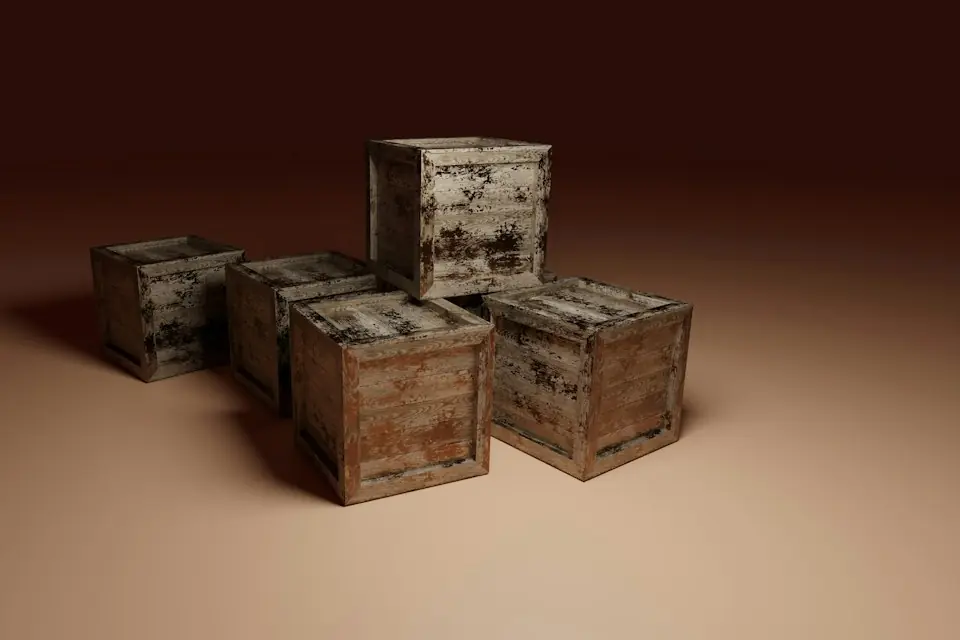
Inspect wooden crates, pallets, wrapping film, rain protection and package seals. Record damage, moisture, deformation, tipping, impacts or signs of unusual opening. Photograph obvious damage while the carrier is present and note it on delivery documents. Where necessary, contact AUREK to agree the handling method before unpacking.
Delivery information
Check equipment name, customer name, project number, package number, address and package count against the contract, dispatch notice and transport documents. Label multiple machines or packages separately, then check main units, grippers and accessories against the packing list and technical proposal to prevent mixing parts from different stations.
Unloading and temporary storage
Avoid impacts, tipping or dragging during unloading and movement. Store uninstalled equipment in a dry, level, safe location, protected from rain, heavy loads, vehicle impacts and unauthorized disassembly. Pay particular attention to suction cups, cylinders, precision valves, fittings and operating handles.
03After unpacking
Transport damage
Inspect the main unit, column, arms, rotary components, balancing mechanism, gripper, pneumatic components and accessories in sequence for dents, scratches, deformation, paint loss, bending and loose connections. If transport damage is suspected, stop disassembly/assembly immediately and photograph the packaging, damage, complete machine, nameplate and package number.
Equipment nameplate
Check the equipment name, model, serial number and factory information on the nameplate against the contracted configuration, packing list and technical proposal. If information differs or the nameplate is detached, damaged or unreadable, report it to AUREK and complete verification before scheduling installation and commissioning.
Main-unit components
Check the arm, column, base, slewing structure, stops, connecting plates, fasteners, balancing components and controls for completeness. Inspect pneumatic controls, cylinders, valve assemblies, filter-regulators and air connections for damage or loose parts. Limit this stage to visual and completeness checks. Do not dismantle controls without authorization or test with air before installation and supply conditions are verified.
Custom tooling
Inspect the gripper body, jaws, suction cups, locating blocks, connecting flange, handles, cylinders, hoses and vacuum generator. Check contact surfaces, operating direction and interfaces against the workpiece information and technical proposal. Do not modify the gripper structure independently on site.
Hoses and fittings
Inspect fittings for cracks, deformation or detachment and hoses for severe creases, damaged surfaces or flattening. If defects are found, photograph them and contact AUREK to establish replacement or repair before applying compressed air. Damaged components can leak or cause unintended tooling motion.
04Supplied documentation and accessories
Check the quantities and condition of supplied documents, accessories and spare parts against the contracted configuration, packing list and technical proposal. Documents may include product instructions, conformity documentation, installation and commissioning files, maintenance instructions and pneumatic or electrical diagrams. The packing list determines the required accessories. Record arrival date, inspectors, package and equipment numbers, item condition, abnormalities and photo references, and hand the complete record to the equipment supervisor or project manager.
05Unpacking inspection checklist
| Inspection Item | Inspection Details | Acceptance criteria | Action for abnormalities |
|---|---|---|---|
| Outer packaging inspection | Are wooden boxes, pallets, seals, and rainproof packaging intact? | No visible damage, moisture, deformation or tipping marks | Take photos for your records, mark it on the receipt, and contact AUREK for confirmation. |
| Check receipt information | Customer, project number, package number and quantity | Consistent with logistics documents and shipping information | Suspend unpacking and check project information |
| Transportation damage inspection | Equipment surface, structural parts, paint, connection parts | No significant impact damage, deformation or looseness | Stop assembly/disassembly and photograph the full unit and damage details |
| Equipment nameplate verification | Name, model, serial number, factory information | Matches the contracted configuration, packing list and technical design | Report to AUREK and resolve discrepancies before installation |
| Main-unit components | Arm, column, base, slewing structure and travel limits | The parts are complete and there is no obvious damage | Do not disassemble without authorization and record abnormal locations. |
| Custom tooling | Jaws, cups, locating blocks, flange and handle | The appearance is in good condition and there are no abnormalities in the connection interface. | Take photos for feedback, no modification is allowed |
| Hoses and fittings | Hoses, push-in fittings and valve connections | No breakage, detached fittings, severe kinks or flattening | Do not apply compressed air before resolving abnormalities |
| Supplied documentation | Packing list, instructional materials, certificate of conformity, etc. | Complete information to facilitate subsequent installation and commissioning | Arrange missing documents with AUREK |
| Spare parts and accessories inspection | Fasteners, fittings, tools and wear parts | Consistent with packing list | Mark missing items and provide timely feedback |
| Photographic record | Packaging, box number, nameplate, parts, abnormal points | Photos are clear and traceable | Establish acceptance records and archive them uniformly |
| Abnormality reporting | Damage, missing parts, inconsistent information, abnormal nameplate | The problem is clearly described and the evidence is complete | Suspend installation, lifting, air/power connection and testing |