
- A pneumatic industrial manipulator assists handling under specified conditions and must not be used to drag workpieces indiscriminately. Operate its mechanical, pneumatic and balancing systems according to the instructions.
- Ten prohibited or discouraged practices: overloading, standing beneath the load, leaving a suspended load unattended, moving before confirming the grip, dragging workpieces, violent swinging, unauthorized pneumatic-circuit changes, operating with a fault, failing to unload before shutting off the air supply, and operation by untrained personnel.
- Perform a daily inspection before use: air supply, hose fittings, manipulator structure, handle buttons, tooling, suction cups, and unloaded and loaded motion.
- Use the equipment within its design conditions and incorporate pre-shift inspections, operating limits and abnormal-condition procedures into daily work.
Pneumatic industrial manipulators, pneumatic balancers, vacuum lifters and custom tooling can serve handling, machine loading and unloading, assembly, palletizing and transfer stations. Operators must follow the safety requirements for the specific equipment. Assistance does not remove the need to confirm the grip, keep personnel clear or check abnormalities. The following risks and practices are organized by common actions for operators, team leaders, equipment supervisors and maintenance staff.
01Why a Pneumatic Industrial Manipulator Requires Standardized Operation
Mechanical structures, pneumatic controls, load balancing, operating handles and tooling or vacuum devices work together. Overloading increases structural and pneumatic demands. Moving before confirming the grip can cause a workpiece to slip. Entering beneath a load exposes personnel to falling-load hazards. Unauthorized pressure adjustment or pneumatic changes can cause imbalance, loss of control or failed protection. Safe operation must control load, gripping state, personnel position and authority to adjust the equipment.
02Prohibited operating practices
- Do not overload: the workpiece must remain within the equipment's permitted capacity. Occasional handling is no exception; overloading reduces the safety margins of structures, tooling, cylinders and suction cups.
- Do not stand beneath the load: keep hands, feet and the body out of any area where the workpiece could fall or swing.
- Do not leave a suspended load unattended: while a load is suspended, do not leave the station, answer a phone or perform other work. Do not keep loads suspended for extended periods.
- Do not move before confirming that the tooling is clamped: first check that the tooling is engaged, the workpiece is stably supported and vacuum or clamping status is normal.
- Dragging workpieces is not recommended: the equipment is intended for assisted lifting and smooth handling. Do not forcibly drag a jammed workpiece or container, as this can create eccentric loads, impacts and surface damage.
- Do not swing loads violently or use impact motions: avoid rapid swinging, abrupt pulling or releasing, and sudden stops or turns to prevent inertial shocks and collisions.
- Do not modify pneumatic circuits or adjust critical components without authorization: use circuits, valve assemblies, safety valves, load-balancing systems and control modules in their designed configuration.
- Do not operate with faults: stop and inspect if there is unusual noise, air leakage, slow movement, unstable hovering, abnormal gripping, a vacuum alarm or abnormal air pressure.
- Do not leave a workpiece suspended after shutting off the air supply: before shutdown, the end of a shift or maintenance, place the workpiece securely and unload the tooling, then isolate the air supply.
- Untrained personnel must not operate the equipment: temporary staff, new employees and contractors must complete the necessary safe-operation training before use.
03Checks before operation
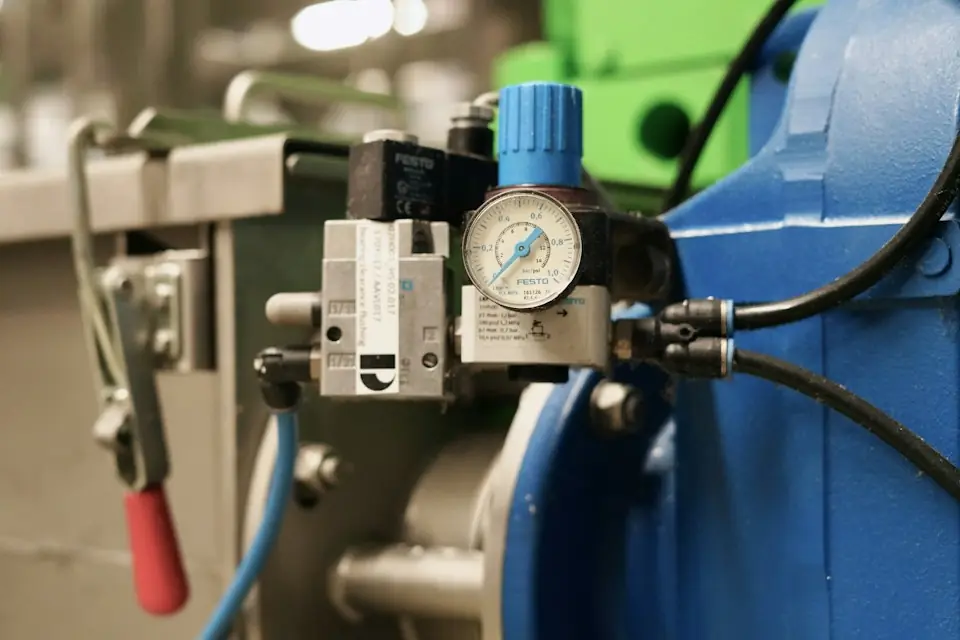
Perform a daily inspection before use. First check supply pressure and hoses and fittings for leaks, looseness, kinks and wear. Then check the manipulator for looseness, unusual noise and binding, and verify handle-button response.
Inspect jaws, suction cups, clamping blocks, locating parts, connection bolts and travel limits. For vacuum devices, check cups for aging, damage and deformation, and remove oil, dust and foreign material from gripping surfaces. Pneumatic motion should be smooth both unloaded and loaded, without abnormal rising or sinking of the load.
Also check the handling path, nearby equipment, racks, guards, aisles and personnel positions to eliminate interference.
04List of prohibited/not recommended operations
| Operating practice | Possible risks | Correct approach |
|---|---|---|
| Overloading | Increased structural loading, abnormal balance and greater risk of tooling failure. | Operate within the rated load and approved design requirements. |
| Standing beneath the load | Exposure to the danger zone and risk of injury from a falling workpiece. | Keep personnel clear of the area beneath the load and its swing range. |
| Leaving a suspended load unattended | Risk of workpiece instability, pressure loss or unintended operation. | Operators must remain at the station while a workpiece is suspended. |
| Moving before confirming the grip | Workpiece slips, tilts or falls | Confirm that clamping, vacuum gripping or locating is complete before moving. |
| Dragging workpieces | Eccentric loading of the manipulator, impacts on tooling and workpiece damage. | First eliminate the cause of the jam, and then move according to the normal path. |
| Violent swinging | The workpiece collides with equipment or personnel, increasing inertial impact | Push and pull smoothly, turn and position slowly |
| Unauthorized changes to pneumatic circuits | The compressed-air supply pressure is abnormal and safety protection fails. | Make adjustments only after confirmation by the manufacturer or qualified personnel. |
| Operating with faults | The fault expands and affects the safety of equipment and personnel. | Shut down for inspection and eliminate abnormalities before use. |
| Leaving the workpiece suspended after shutting off the air supply | Risk of workpiece sinking or fixture failure | Place the workpiece stably first, then shut down the machine and cut off the air. |
| Operation by untrained personnel | A lack of understanding of safe operating limits increases the risk of operating errors. | Complete the required training before operating according to the procedures. |